
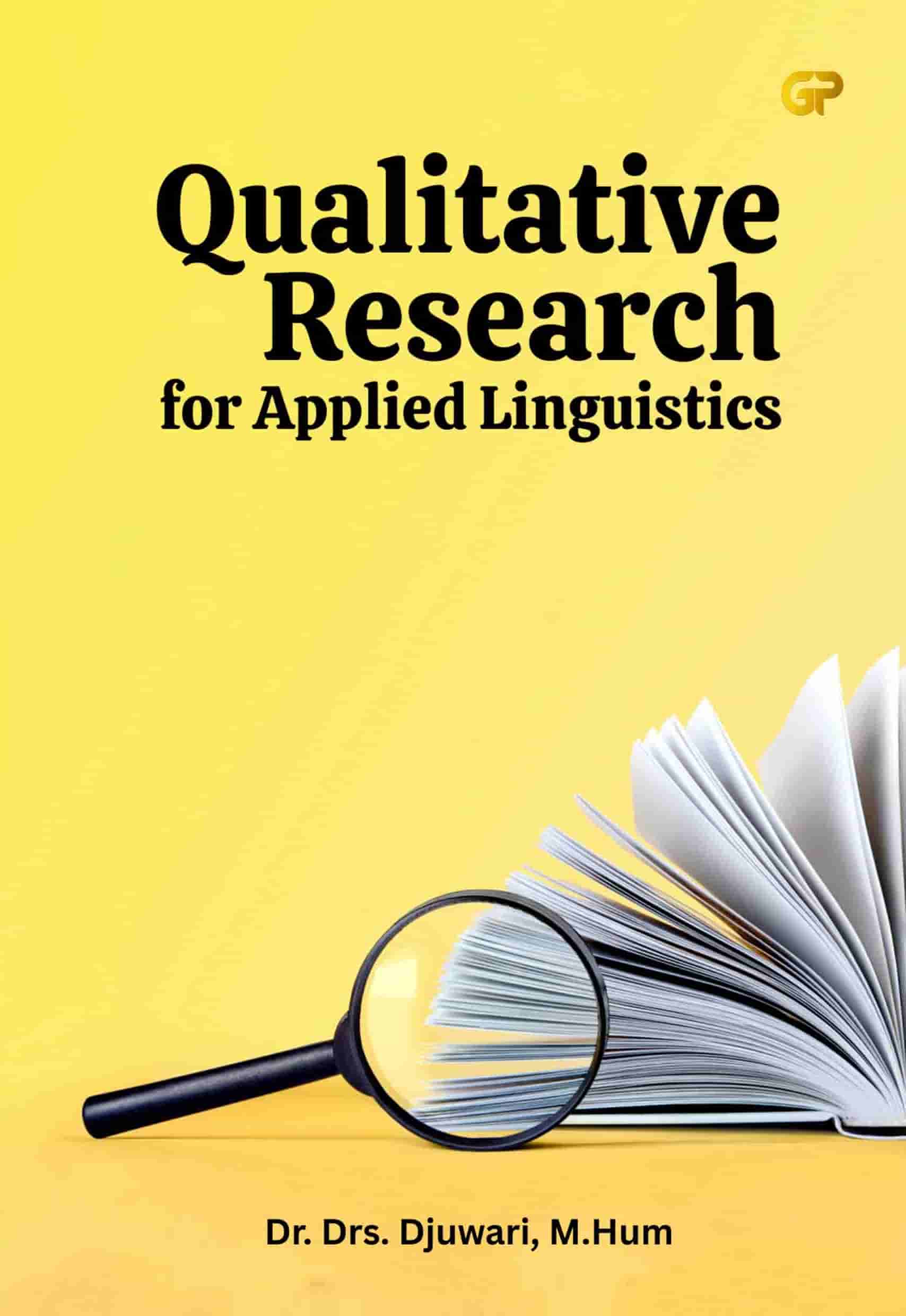
Qualitative Research in Applied Linguistics provides a comprehensive and practice-oriented guide for scholars, students, and practitioners. Chapter I introduces the role and importance of qualitative research in applied linguistics. Chapter II discusses the philosophical and theoretical foundations of qualitative inquiry, including constructivist, interpretivist, and critical paradigms.
Chapter III guides readers in designing qualitative studies—from identifying research problems and forming questions to selecting samples and planning procedures. Chapter IV highlights the ethical dimensions of research, such as informed consent, power relations, and working with vulnerable populations, ensuring responsible and respectful research practices.
Chapters V and VI focus on data collection methods such as interviews, focus groups, observations, and document analysis, contextualized data. Analytical strategies are covered in Chapters VII and VIII, which explore tools like discourse analysis, thematic coding, and grounded theory to interpret meaning and identity in language data.
Chapter IX elaborates on case study and ethnographic approaches, emphasizing deep cultural engagement and thick description. Chapter X discusses ensuring research trustworthiness through credibility, transferability, and reflexivity. Chapter XI provides guidance on effectively writing and presenting qualitative research, with tips on structuring, storytelling, and scholarly dissemination.
The final chapter, Chapter XII, explores emerging trends, including digital tools, virtual ethnography, interdisciplinary integration, and AI applications. Overall, the book serves as both a foundational resource and a forward-looking guide for those committed to understanding language through qualitative, human-cantered lenses.






Ulasan
Belum ada ulasan.