
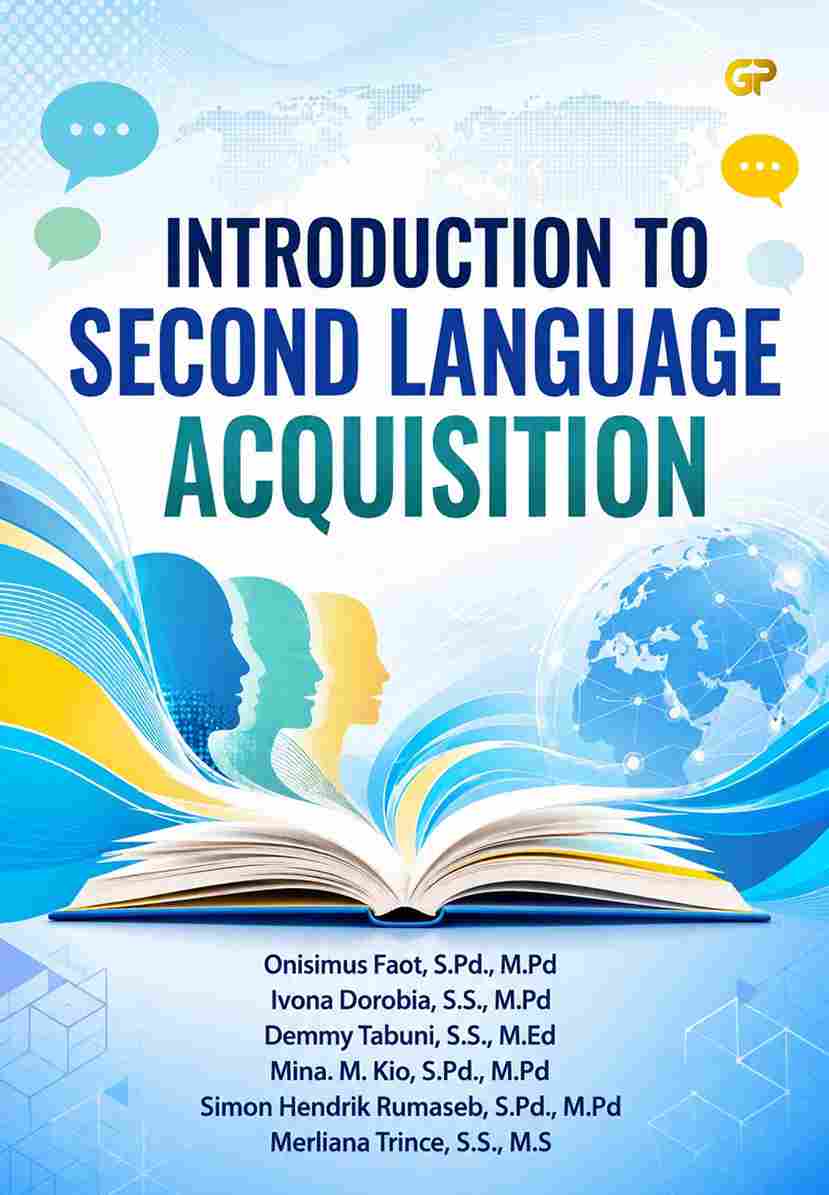
The study of Second Language Acquisition (SLA) has evolved from a niche linguistic sub-discipline into a robust, interdisciplinary field that stands at the intersection of cognitive science, sociology, and education. In an increasingly globalized world where multilingualism is the norm rather than the exception, understanding the mechanisms by which individuals acquire languages beyond their first is paramount. This book, Introduction to Second Language Acquisition, provides a comprehensive and critical exploration of the theories, processes, and individual differences that define the journey of a second language learner. It is designed specifically as a reference text for students, educators, and researchers who seek to move beyond surface-level observations of language learning and delve into the deep structural and psychological frameworks that govern linguistic development.
The narrative of this book is built upon the premise that language acquisition is not merely the memorization of vocabulary or the mastery of syntax, but a complex cognitive reconstruction and a social transformation. We begin by establishing the foundational definitions and the historical trajectory of the field, tracing the shift from early structuralist and behaviorist models to the nuanced cognitive and sociocultural perspectives of the modern era. By examining the “interlanguage” of learners—the unique linguistic systems they create as they progress—we gain insight into the universal patterns of human cognition.
Furthermore, this text addresses the significant role of individual differences. Why do some learners achieve native-like proficiency while others plateau? To answer this, we examine the critical period hypothesis, the impact of motivation, the nuances of language aptitude, and the role of affective variables such as anxiety and personality. These internal factors are then balanced against the external environment, including the impact of digital technology and the power dynamics inherent in diverse social contexts.
In the latter chapters, the focus shifts toward the process of development itself, exploring how learners build a mental lexicon and navigate the sequences of morphosyntactic acquisition. The book concludes with a rigorous overview of research methodologies and the practical application of SLA findings in the classroom. By bridging the gap between theoretical research and pedagogical practice, this book empowers readers to evaluate instructional materials and strategies through an empirical lens. Ultimately, Introduction to Second Language Acquisition serves as an essential roadmap for navigating the complexities of the multilingual mind and the diverse landscape of modern language education.






Ulasan
Belum ada ulasan.